
Whether it’s setting up your altar, reading tarot, or doing spell work the elements are taken into consideration. They are part of the rituals. The elements are taken into consideration with great care and knowledge. Why should making a cocktail be any different? After all, the mixing of ingredients with an intention, even if only to be strong or taste good, can be looked at as spell casting.
We’ve talked about water and its importance in alcohol and cocktails. The next element we’ll be discussing is Earth. The element of Earth is grounding, nurturing, and supportive. In tarot, Earth can be linked to the suit of pentacles representing finances, business, trade, and material possessions. Without the growing of fruits, grains, and plants we wouldn’t be having any kind of conversation about alcohol.
Alcohol is, after all, a distilled spirit. That spirit needs to be made into a liquid in order to ferment and perhaps go on to the distillation process. The initial liquid can be fermented into a variety of things, depending on what you want the end results to taste like. Wine starts as grape juice. Beer starts as a grain mash. Vodka can start with a lot of different ingredients (grapes, grains, fruit, etc.) Gin takes a neutral spirit and infuses flavor back into it using juniper and many other herbs, spices, and fruits. Agave spirits of Tequila and Mezcal are made with… you guessed it, agave. The list goes on for all of the different varieties of alcohols you can find. They all have their individual requirements but all generally begin as something that can be grown.
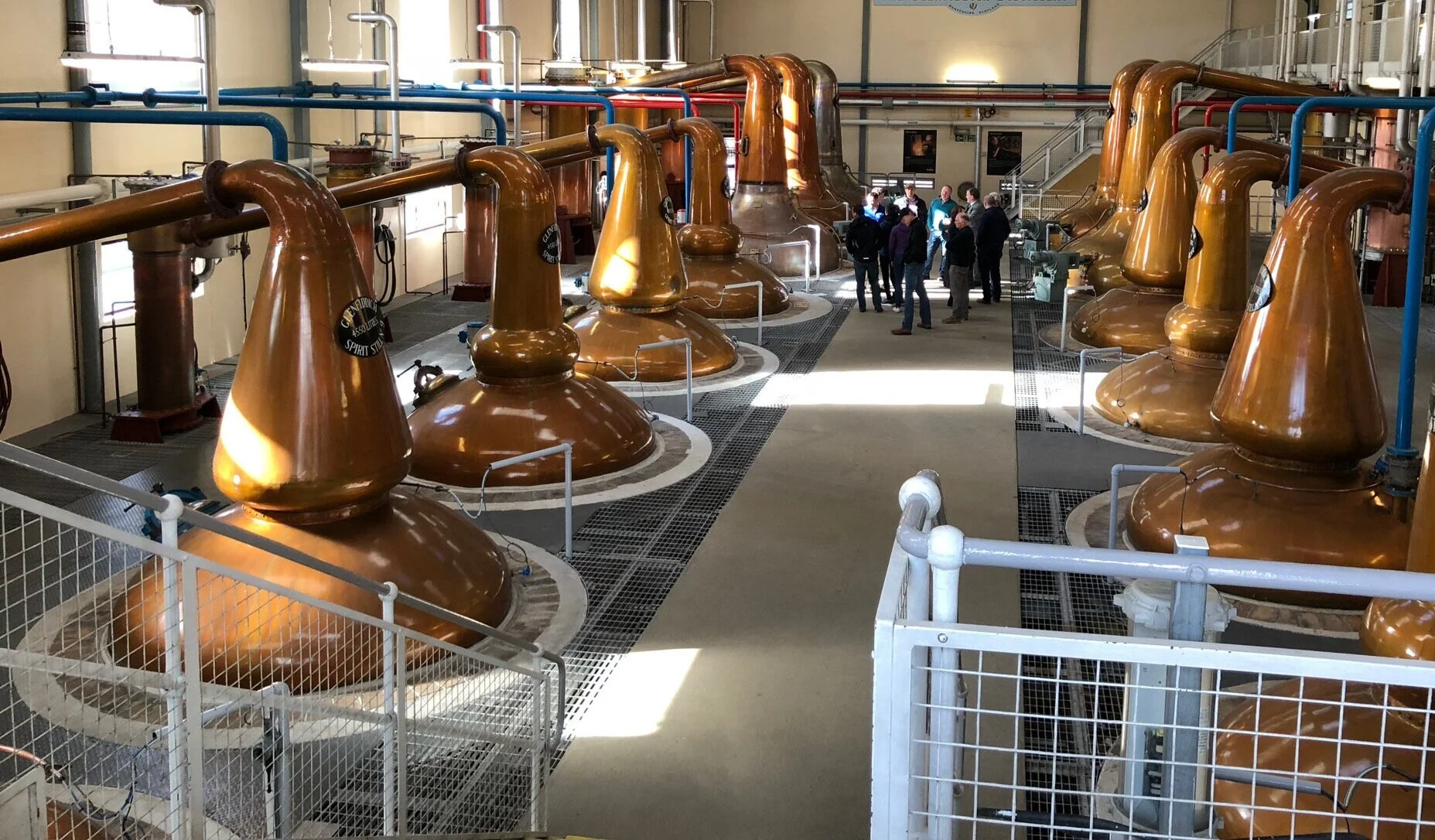
Here are some Pot Stills in Scotland.
Whisk(e)y also starts as a grain mash and has a large set of rules depending on where it is made and what it will be labeled as: bourbon, rye, scotch, etc. The grain mash is dependent on the rules of what is being made, but it is also dependent on the type of grain used. For example in American Bourbon, not all corn is created equally. There is usually a specific kind and color corn being used based on the distillery. The same can be said for rye, wheat and barley being used around the world. Most whisk(e)y distilleries that I’ve visited have a relationship with their grain providers as well as the local farms in the area. The used grain after left over goes to the farmers for feed of their livestock, typically at no or very low cost. This continues the cycle of growth and death and rebirth that is associated with the earth.
Now: back to the process of making alcohol and fermentation. Fermentation doesn’t always mean alcohol but it’s a huge part in the making of it. This process has helped people for thousands of years giving their food a longer shelf life at the same time they were also helping aid their digestion. Fermented foods include things like kimchi, miso, yogurt, kefir, and sauerkraut. In relation to alcohol, fermentation is the process of microorganisms, such as yeast, that break down the sugars and starches into alcohol in the original liquid or mash. This sounds like the earth element to me; focusing on the wellbeing of the body and the nutrients it provides us.
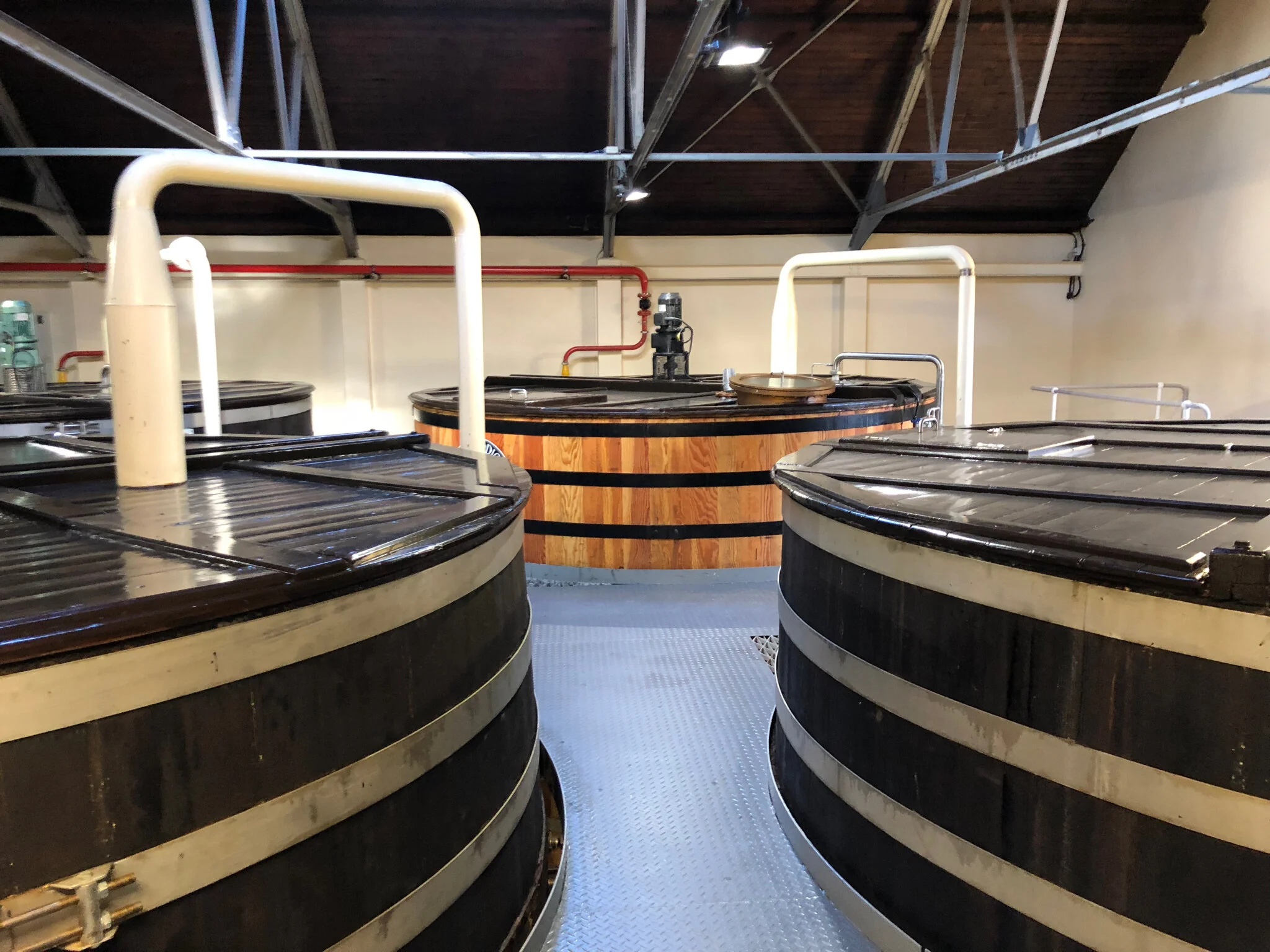
Some fermentation tanks from a prominent distillery in Scotland.
Yeast is so highly coveted and can affect the taste of the end product so vastly that most major distilleries keep a proprietary yeast strain, or several different strains protected at all times. The distilleries will have various different places that the yeast strains are kept around the country, and sometimes around the world, in order to keep their proprietary strain safe from any possible disasters. After all, working with alcohol, there have been more than a handful of natural disasters and fires that have occurred throughout the ages. To change the yeast strain and how that interacts with the mash build is a huge part of the process and the product consumers have come to associate with a particular brand simply would not be able to be duplicated.
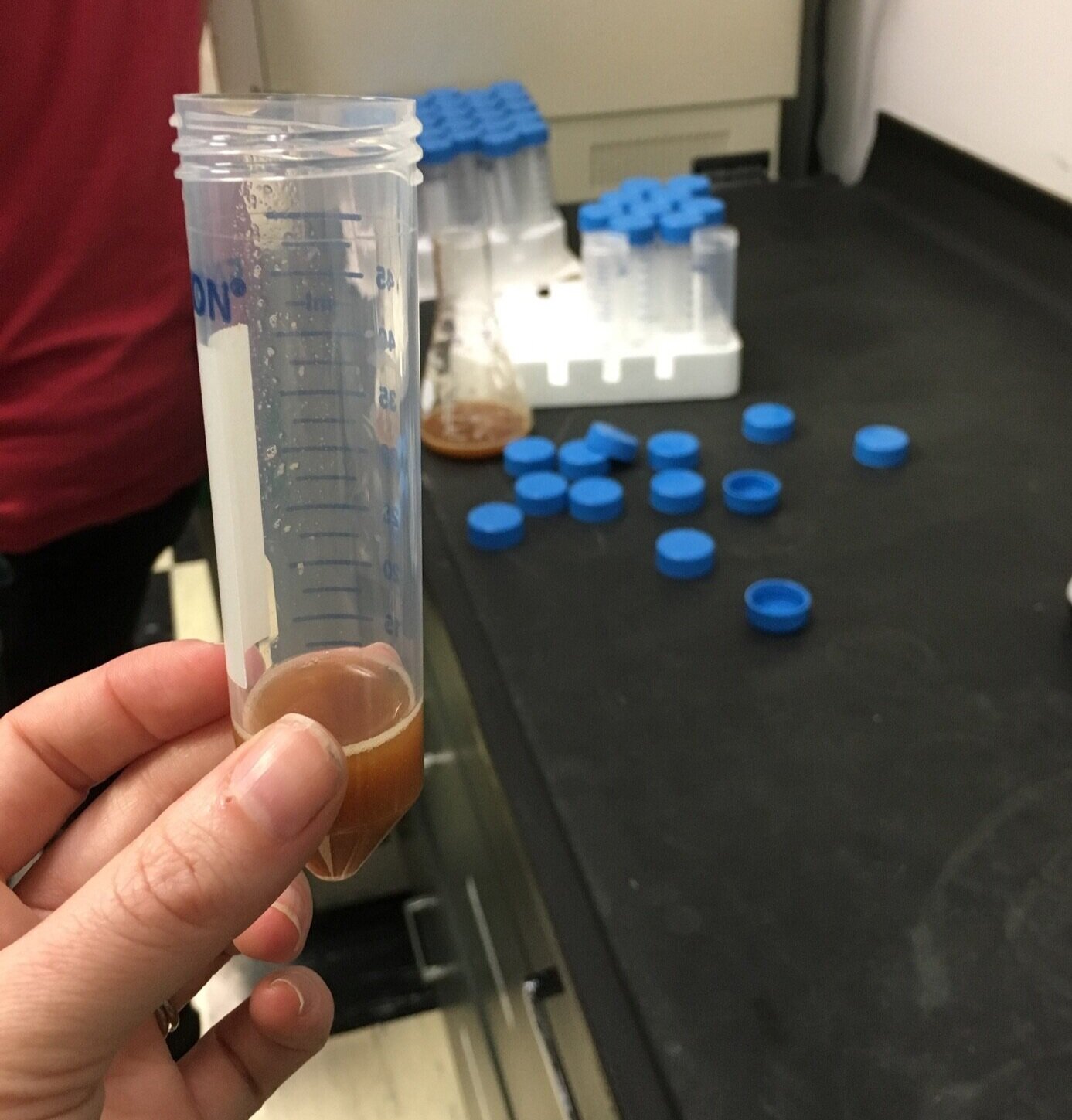
Me holding a proprietary yeast strain in the “yeast lab” of a major whiskey producer in the United States.
Focusing back to the topic of your health and wellbeing, now is a good time to say the quality of the alcohol you’re drinking is important. Does it come in a plastic jug and remind you of college? Maybe leave that for the college kids that can’t yet afford or don’t yet appreciate the good stuff. I am not suggesting you need to go out and buy the most expensive alcohol either. Do your research. There are several distilleries around the United States that make a large quantity of liquor to then sell to other places for aging or labeling. There are several “store name brands” that actually buy excess of quality alcohol to place under a different label. This rebranding allows the stores to sell it to the consumer even cheaper than it’s typically more recognizable “brand name” counterpart. (Think Kirkland Vodka or Trader Joe’s whiskey). There are also major spirits portfolio and wine portfolio companies that have bought up hundreds of smaller labels to keep under their jurisdiction. Questions to think about when purchasing alcohol:
Are you fine with contributing to a large market share or do your personal ethics align with buying more small production, locally sourced spirits?
Are you a politically active person and do not want to line the pockets of someone with an opposing belief system?
Do you want to make sure your dollars are being spent giving back to a specific community or cause?
Sustainability is a big topic of interest; do you want to make sure your alcohol isn’t contributing to an already overwhelming issue of global warming?
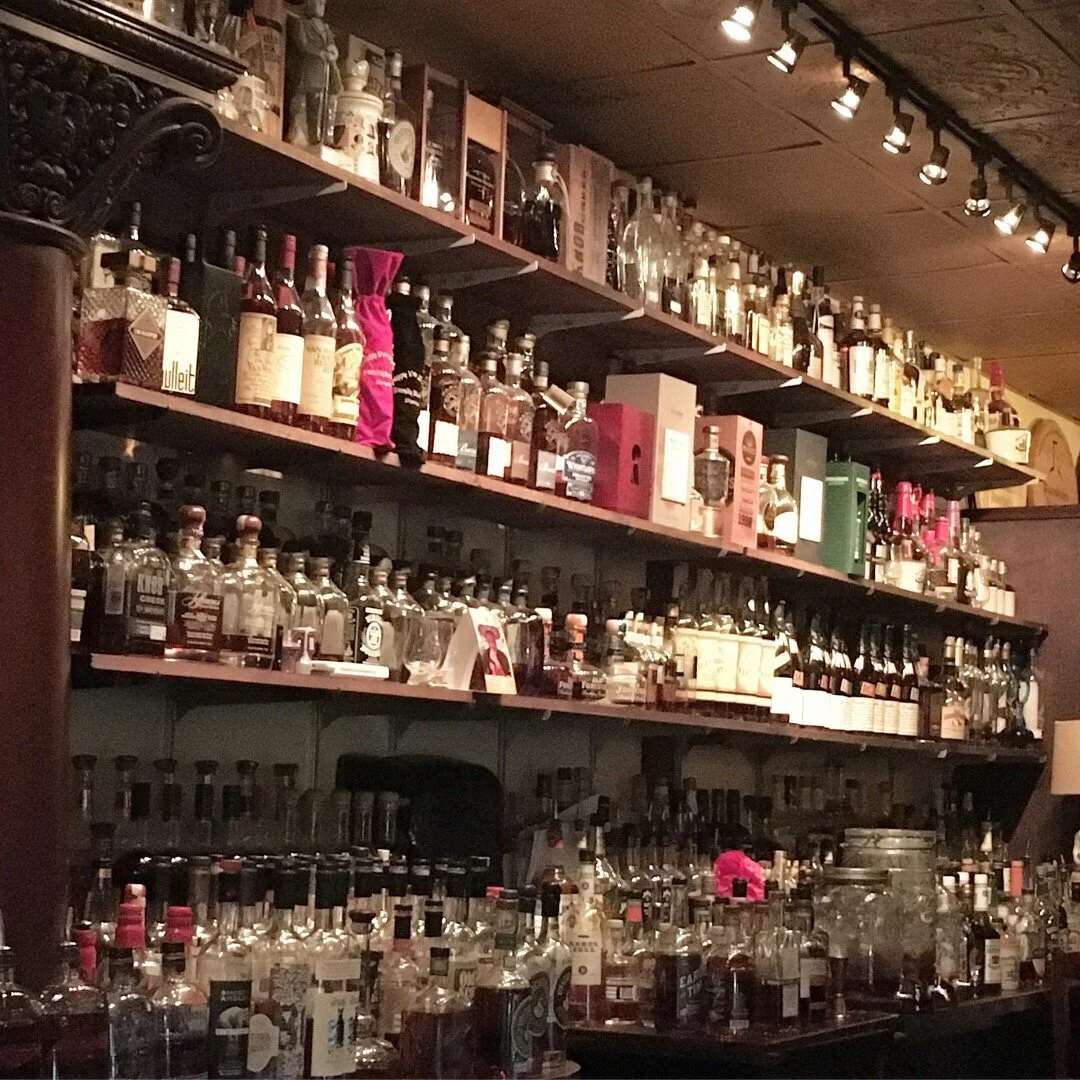
No one answer is wrong, but it’s better to be informed. Make sure you put your money where you know it will support the causes you believe in.
Also in terms of the financial part of the earth element, make sure you’re splurging on yourself sometimes. It’s great to have go to brands you know, love and trust, but there are a TON of options and sometimes to quote Lizzo, you’ve got to “reach for a higher shelf”.

Me reaching for a higher shelf, living out my version of “Beauty and the Beast” with whisk(e)y.
Celebrating a birthday, work promotion, end or beginning of a relationship? Treat yourself! The brands that are higher in price tend to be there for a reason. Higher quality is often worth the money. So be a little adventurous when the time calls for it. And if you don’t know what’s more expensive because of marketing or a famous spokesperson (as more and more celebrities get into the alcohol production business… this is a valid question) ask! Ask your favorite bartender. Ask the folks who run the liquor store you’re purchasing from. Chances are they work in that field because they love to talk about this kind of stuff, or in my case currently, write about it.
This also goes into our next discussion point, know when to break out the good stuff and know when your go to is appropriate based on the end result of what you’re making. Now, if you were a guest at my bar and wanted to order a $75 shot of liquor and then cover all that gorgeous flavor that probably took years to age in barrel with cola I’d say fine. It is not my job as the bartender to tell someone how to enjoy their alcohol or how to spend their money. They are at least of legal drinking age and presumably have ordered this particular drink many times. However, for folks making cocktails at home, if you’re going to top it off with a sugary based soda, or fruit juice or something else that tends to mask the flavor of the alcohol instead of enhancing it’s properties… don’t do this with the expensive stuff. Don’t do this when visiting friend’s homes if they offer you their expensive stuff. The same principle can be applied to wine, know when to break out the great bottle(s) you’ve been holding onto for a while and when your old faithful will do. This also applies to wine in the concept of “please don’t make sangria or mulled wine with the really nice bottle”. That actually happened to a friend of mine, and it was just as sad as you think it was. They handled the whole thing with grace, but it was not how they were expecting to enjoy the great bottle they brought to share with friends.
The last thing I want to talk about with the element of earth and how it plays into the alchemy of a cocktail is the vessel in which you drink from. Certain cocktails deserve certain type of glassware, just as specific kinds of beer and wine have their preferred glassware to ensure the most pleasurable drinking experience. The glassware is the support to your drink. As everything comes back to intention, there is a reason that tulip glass is better for stronger brewed beers like a double IPA and lagers are better in a pint glass. The shape of the glassware often has a connection to how much aroma you’re expected to get before it touches your lips and how much that aroma is necessary to the full tasting experience. If you’ve ever been wine tasting before you may have noticed folks swirling the wine before tasting. The glassware plays a part in that. The shape of the top or mouth of the glass determines how much air can be brought into the glass to aerate the wine, but we’ll get more into that later.
Overall the earth element plays a huge role in cocktail and alcohol. I could nerd out about the ins and outs of distilling alcohol production for a long time. There’s more where that came from next up when discussing the Alchemy of Cocktails and the element of fire. I am eternally grateful for people that are natural growers in their practices as I am not. My part comes in much later when the growth can be turned into consumable products. We all have our part to play. That is what makes this community such a great one to be a part of.